Tips
How to Make Your Water Heater Last Longer
- Tips
- water heaters
- maintenance
A yearly flush, a look at the relief valve and anode rod, and the right temperature setting can add years to a water heater. Here's what a homeowner can do, how long each type usually lasts, and when to call.
Pete
3 min read
On this page
A tank water heater works every day without much thanks, and most of what shortens its life builds up quietly at the bottom of the tank. A little care once a year keeps it heating well, saves a bit on energy, and helps you spot trouble before it turns into a cold shower or a puddle on the basement floor.
How long water heaters usually last
| Type | Typical life | What shortens it |
|---|---|---|
| Gas tank | 8 to 12 years | Sediment, a spent anode rod, poor venting |
| Electric tank | 10 to 15 years | Sediment burning out the lower element |
| Tankless (gas) | 15 to 20 years | Scale from hard or well water if never descaled |
| Heat pump | 10 to 15 years | Clogged air filter, a cold or cramped room |
1. Flush the sediment once a year
Minerals in the water settle at the bottom of the tank. Over time that layer insulates the water from the burner, so the heater runs longer to do the same work, and you start to hear popping or rumbling while it heats. On an electric model it can bury and burn out the lower element.
- Turn the heater off, or set a gas model to pilot. On electric, switch it off at the breaker.
- Shut the cold water valve on the pipe that feeds the tank.
- Open a hot faucet upstairs so air can get in and the tank can drain.
- Attach a garden hose to the drain valve at the bottom and run it to a floor drain or outside.
- Open the drain valve and let it run until the water comes out clear. Briefly open the cold supply a few times to stir up the sediment.
- Close the drain, refill the tank with the hot faucet open until water runs steadily, then turn the heat back on.
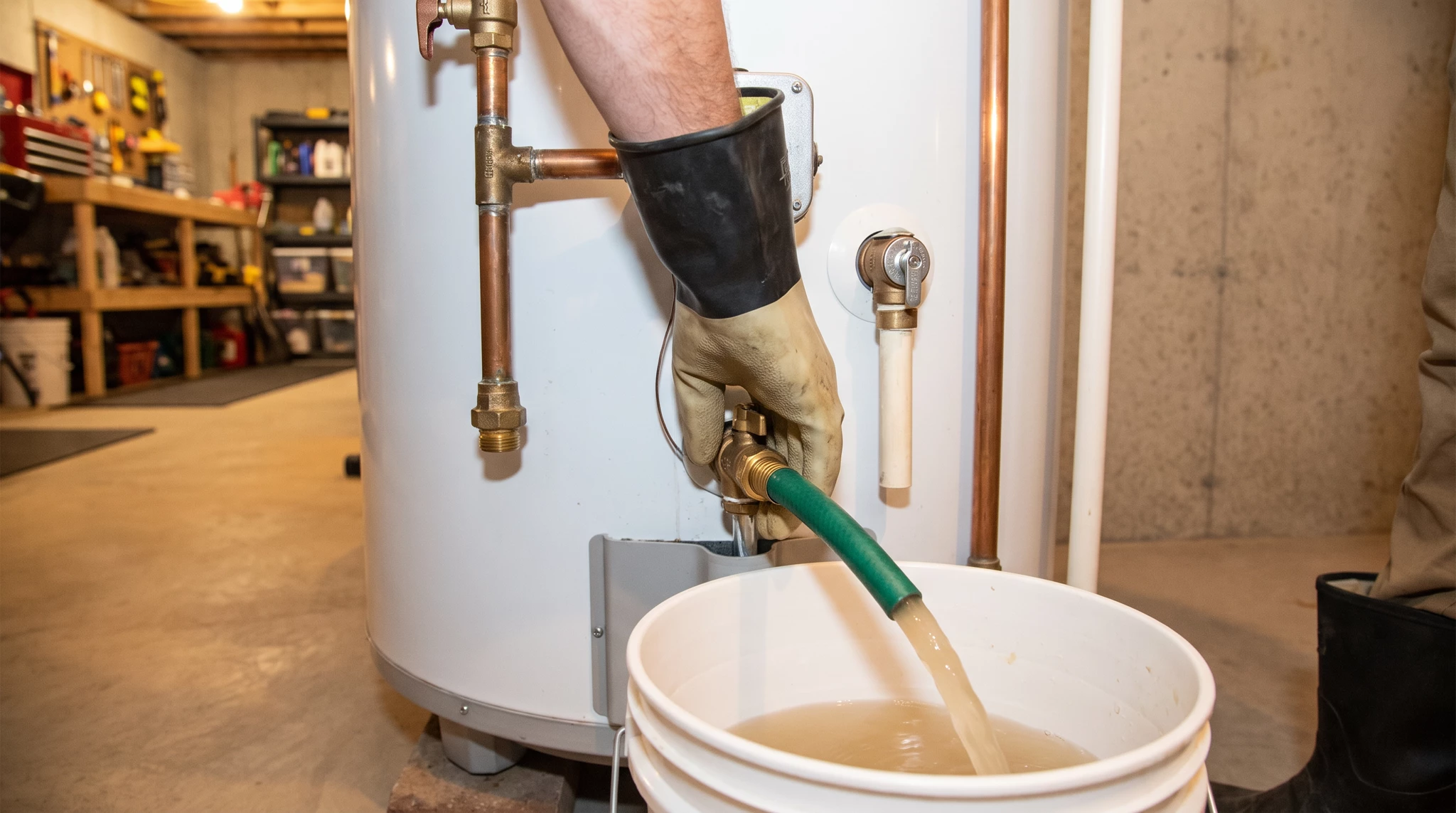
2. Test the relief valve
The temperature and pressure relief valve is the safety valve on the side or top of the tank. Once a year, put a bucket under its discharge pipe and lift the lever for a second or two. A burst of hot water should come out and stop when you let go. If nothing comes out, or it keeps dripping afterward, have it replaced. This is the part that keeps an overheated tank from becoming dangerous.
3. Check the anode rod every few years
Inside every steel tank is a sacrificial anode rod that corrodes so the tank doesn't. Once it's eaten down to the wire, the tank itself starts to rust. Checking and replacing it every three to five years, sooner on well water, is one of the cheapest ways to add years to a heater. It usually takes a big socket and some muscle, so most people have us do it during a maintenance visit.
4. Set it to 120°F
Around 120°F is hot enough for showers and dishes, lowers the risk of scalding, and slows the mineral build-up that happens faster at higher temperatures. Many heaters ship set hotter than that.
Rule of thumb
Flush it every year. Check the anode every three.
On well water or hard water, do both more often.
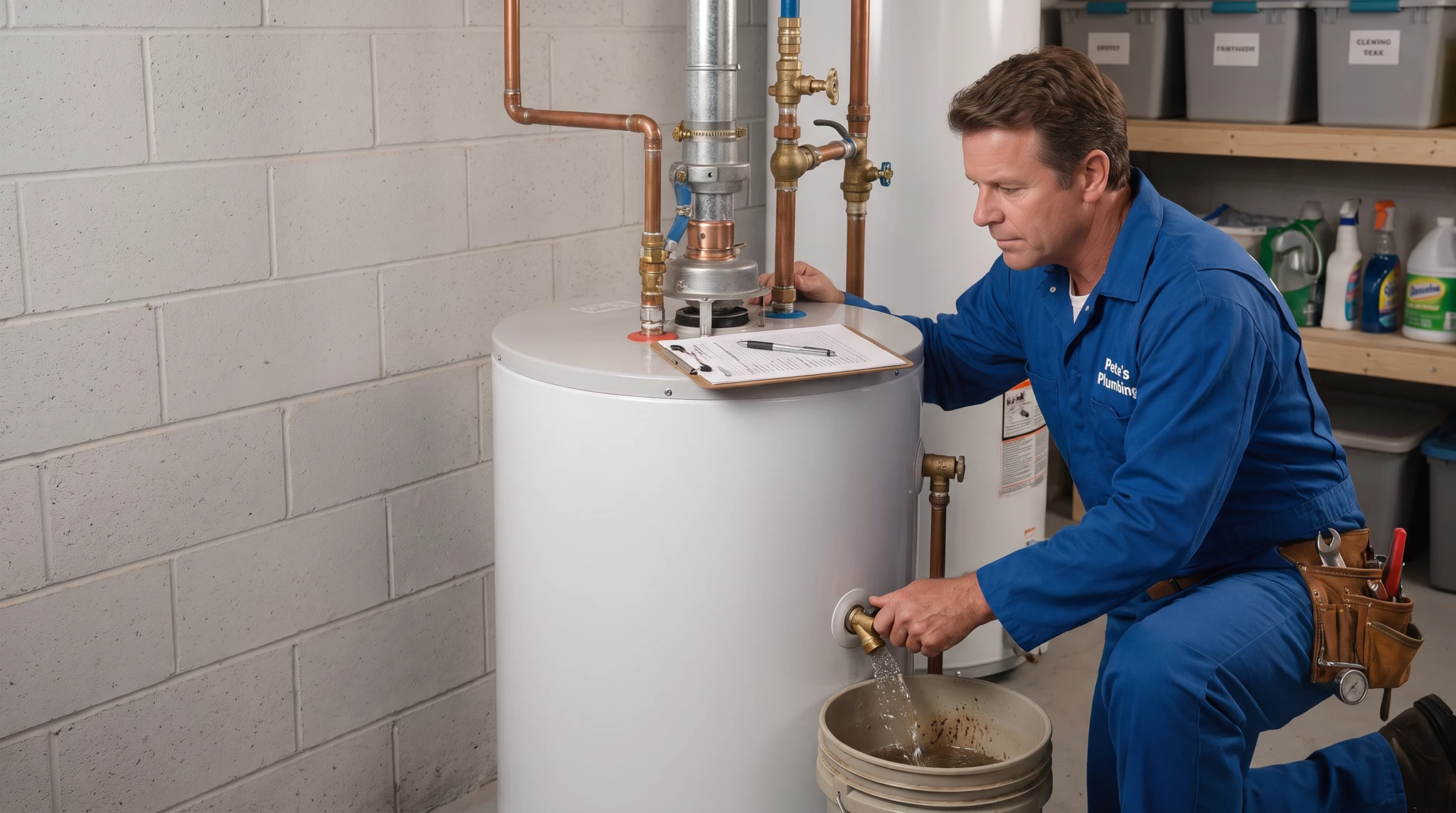
Signs it's time to call
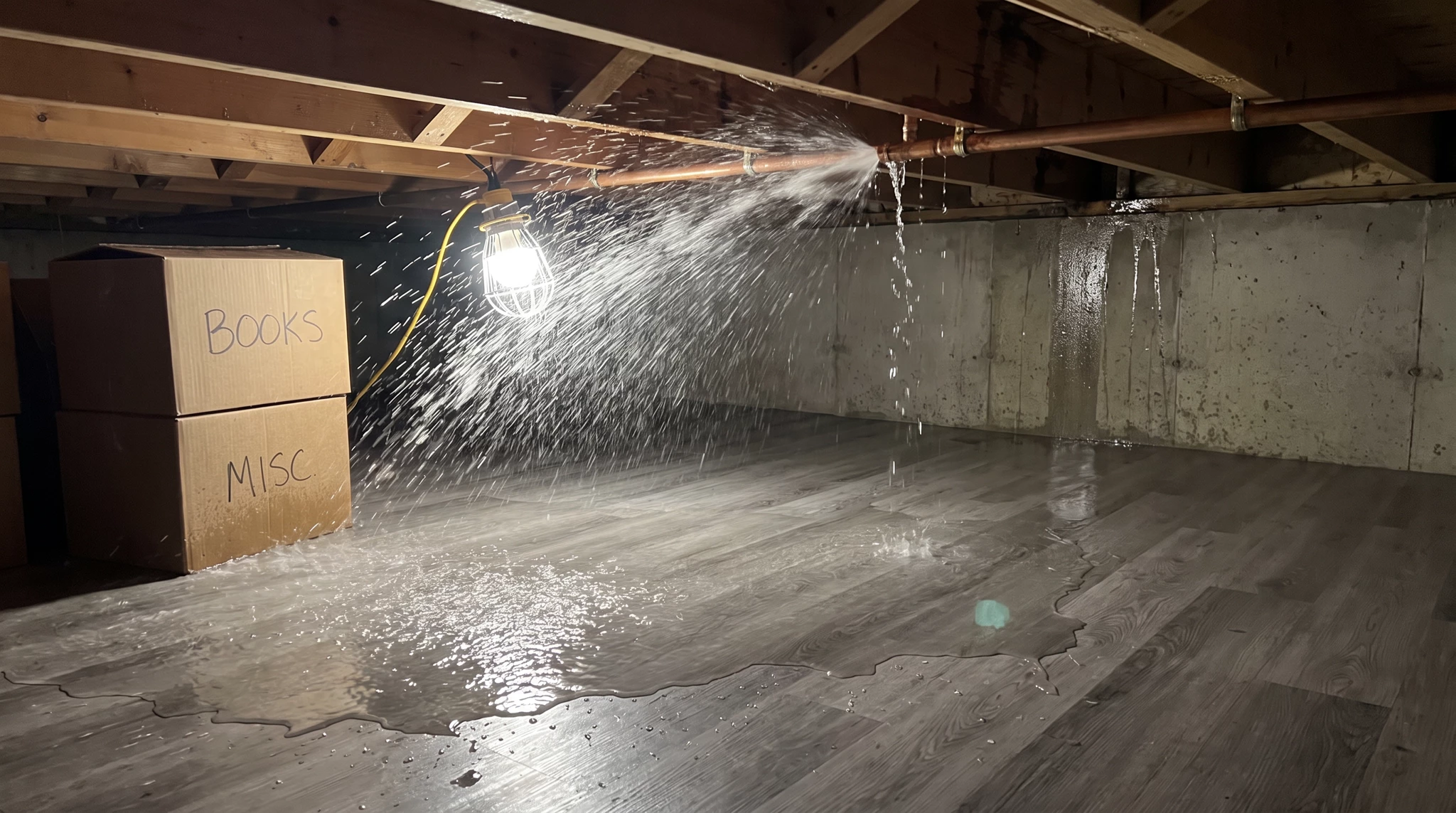
- Water around the base of the tank
- Rusty or discolored hot water
- Hot water that runs out much faster than it used to
- Loud popping or banging while it heats
- A gas smell or a pilot that won't stay lit (leave the house and call the gas company first)
- A heater past the ages in the table above
A tank that gets flushed every year and gets a new anode when it needs one will almost always outlive the one nobody looked at.
Pete's Plumbing handles water heater maintenance, repair and replacement in Concord and the surrounding towns. Maintenance visits start at $169, and we'll go over what we find before any other work starts. Call (762) 254-4897 or book a time online.
Need A Plumber In Concord?
Open 24/7 in Concord and the towns around it. Call or book a time.