Repairs & installs
Tank or Tankless: Choosing Your Next Water Heater
- Repairs & installs
- water heaters
- tankless
- replacement
When a water heater gives out, the first question is whether to replace it with another tank or go tankless. Here's how the two compare in a New Hampshire house: upfront cost, hot water supply, lifespan, space, and what happens when the power goes out.
Pete
3 min read
On this page
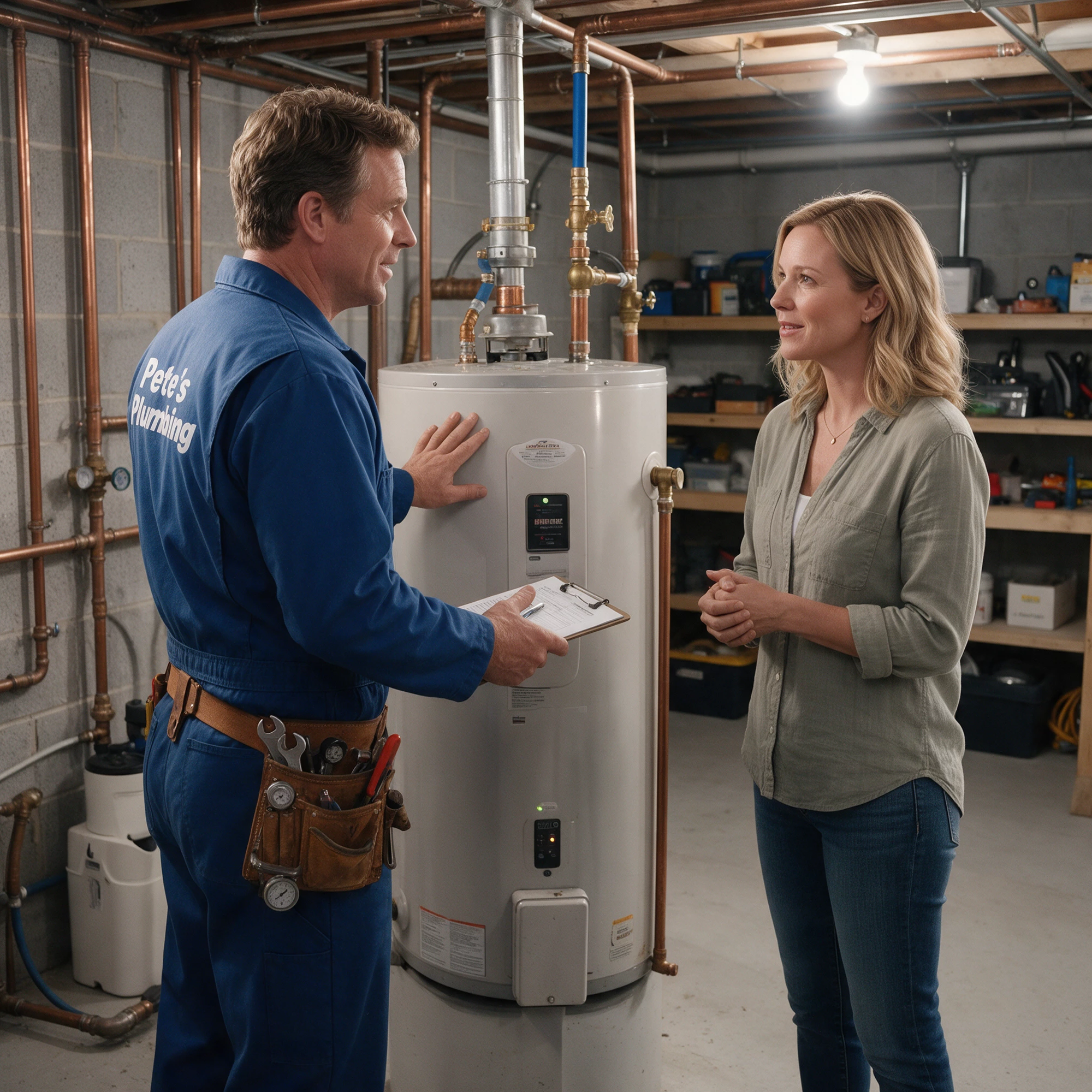
Most people don't think about their water heater until it's leaking on the basement floor or the shower runs cold. Then there's a decision to make fast: put in another tank like the one you had, or switch to a tankless heater. Both are good choices in the right house. Here's how we walk customers through it.
How each one works
A tank heater keeps 40 to 80 gallons hot around the clock, ready to go. When you use it up, you wait while the tank reheats. A tankless heater heats water only as it flows through, using a powerful gas burner or electric element, so it never runs out but has a limit on how much hot water it can make at once.
Side by side
| Tank | Tankless | |
|---|---|---|
| Upfront cost | Lower | Higher, especially if venting or the gas line has to change |
| Typical life | 8 to 15 years | 15 to 20 years or more |
| Hot water supply | Runs out, then reheats | Endless, up to its flow rate |
| Space | A big footprint on the floor | Hangs on the wall |
| Energy use | Keeps water hot all day | Heats only when you run a tap |
| Power outage | Gas tanks with a standing pilot keep working | Needs electricity to fire, even on gas |
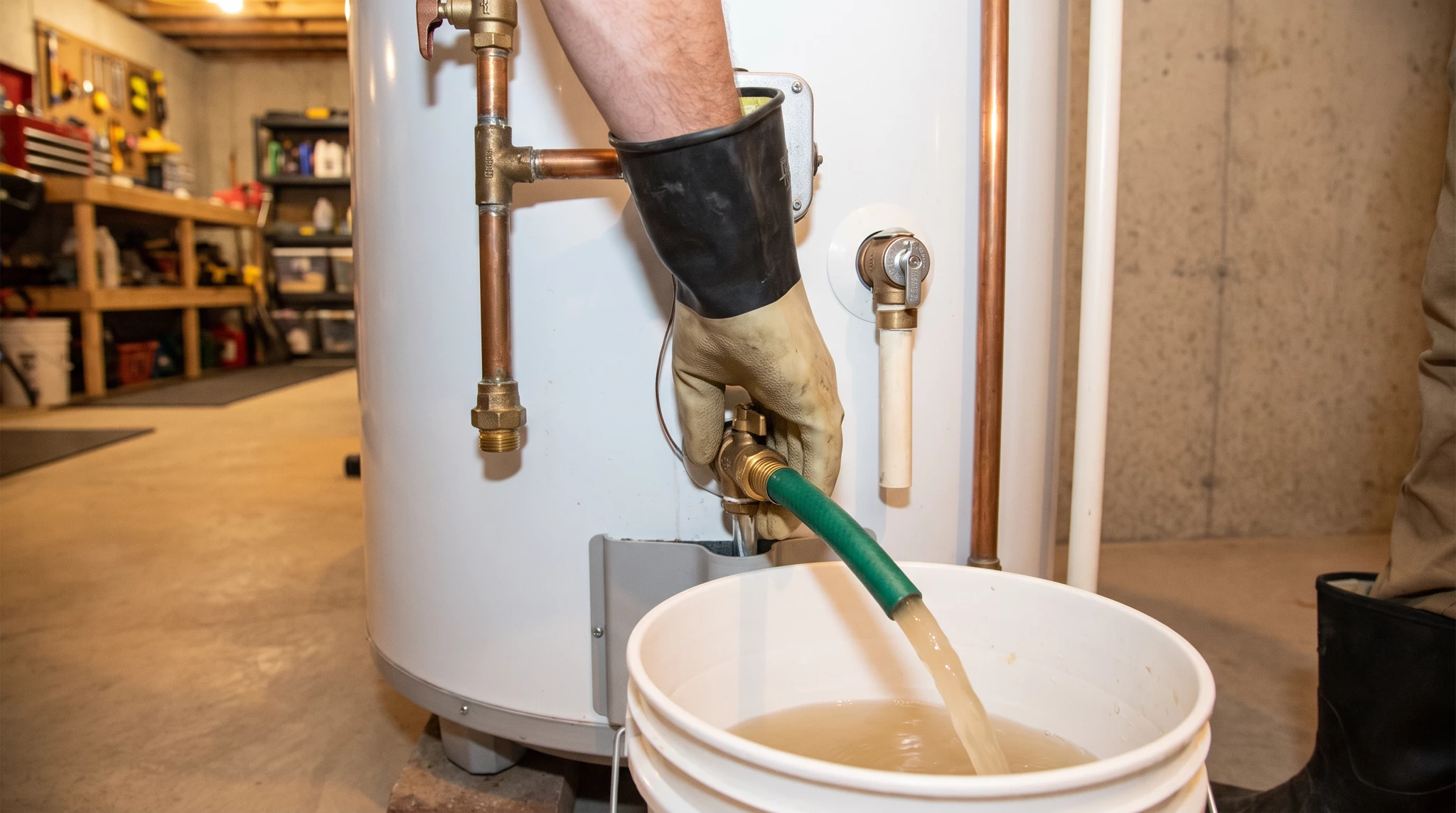
| Yearly care | Flush sediment | Descale the heat exchanger |
What New Hampshire changes
Two things about where we live matter more than any brochure. First, the water coming into a house here can be close to 40°F in the winter. A tankless heater has to raise it a lot further than it would in a warm climate, which lowers how many showers and taps it can run at once in January. We size for winter, not for the spec sheet.
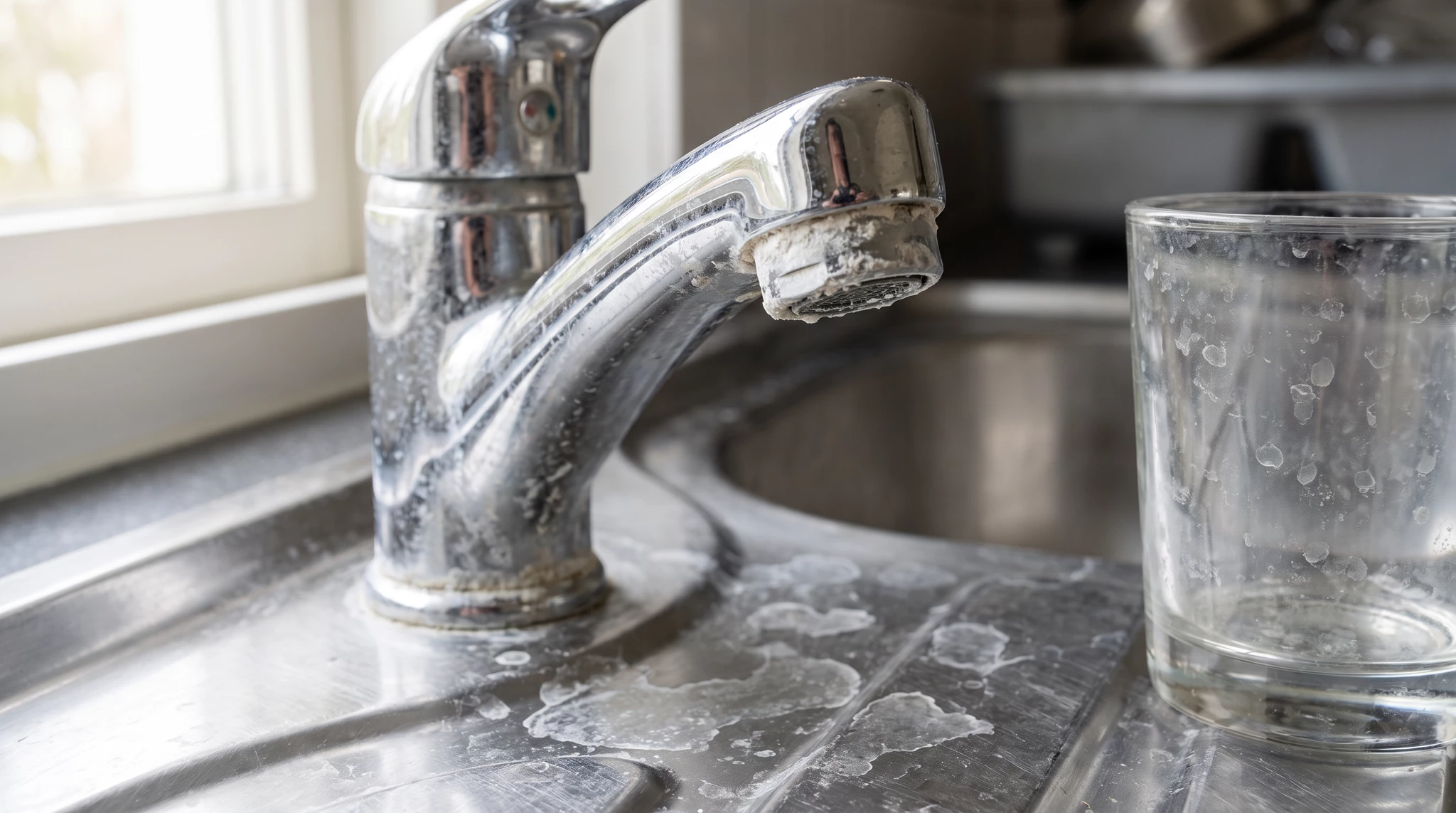
Second, a lot of homes around Concord are on private wells with hard water or iron. Minerals build up faster in a tankless heat exchanger, so those homes need a yearly descaling, and often a softener, to get the long life tankless is known for.
Tank is usually the better fit if
- You want the lowest upfront cost and a same-day swap
- Your household rarely runs out of hot water now
- You lose power in storms and don't have a generator
- Your current venting and gas line are in good shape for a like-for-like replacement
Tankless is usually the better fit if
- You run out of hot water with a full house, or you're filling a big soaking tub
- You need the floor space in a small basement or utility closet
- You plan to stay in the house long enough for the lower running cost to add up
- You're willing to have it descaled every year
What it typically costs
Every house is different, so we quote after we see it. As a rough guide, most standard tank replacements typically land in the low thousands installed, and a tankless conversion typically runs noticeably more because of new venting, a larger gas line or electrical work. Water heater repairs and installations with us start at $820, and you'll have the full price in writing before we start.
I'd rather talk someone out of a tankless they don't need than sell them one that can't keep up in February.
Not sure which is right for your house? Pete's Plumbing installs and services both across Concord and the surrounding towns. Call (762) 254-4897 and we'll come look at what you have, how your household uses hot water, and give you an honest recommendation.
Need A Plumber In Concord?
Open 24/7 in Concord and the towns around it. Call or book a time.